The Moment of Truth: Mastering the Car Insurance Claims Process in the US
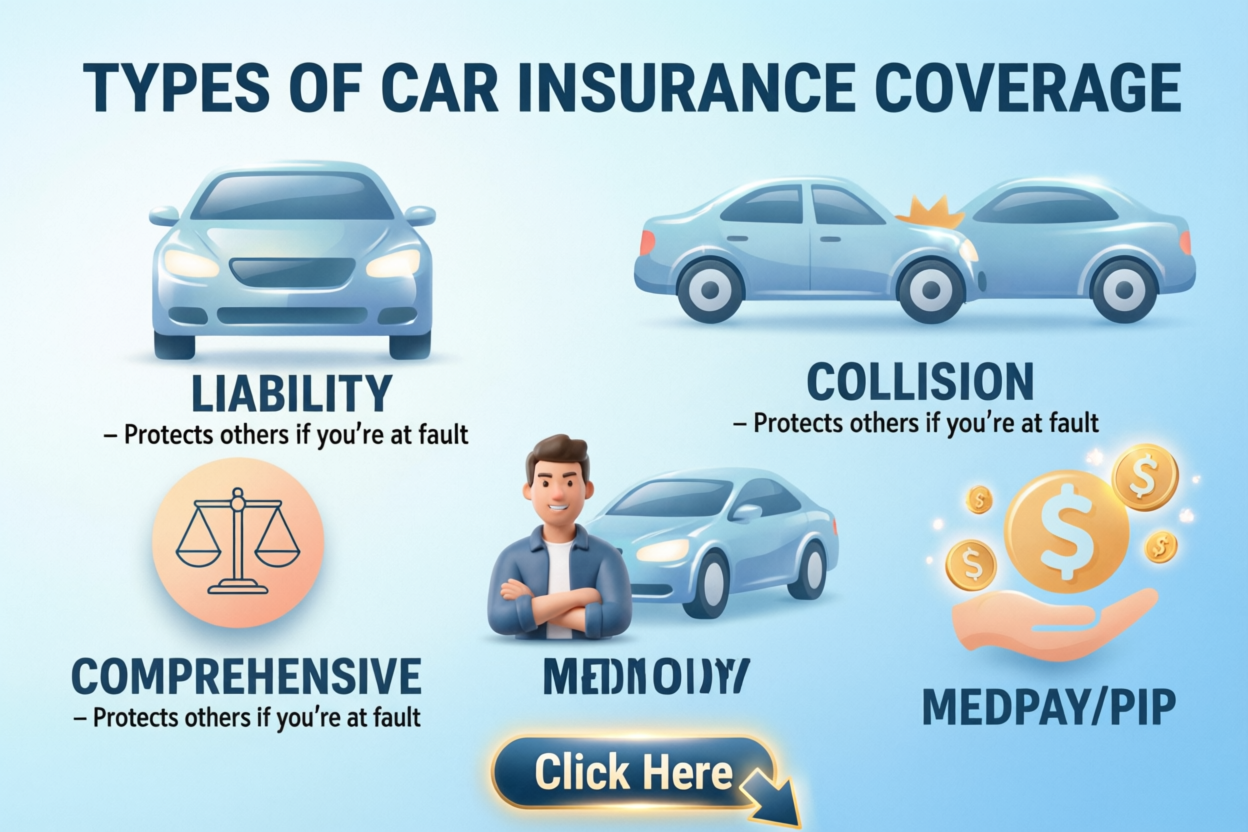
In-Depth Analysis: The Mechanics of a Collision Claim
For most drivers, car insurance remains an abstract concept until the jarring sound of crunching metal makes it an immediate reality. The claims process is the ultimate testing ground for the policy you have faithfully paid for month after month. At its core, filing a claim is an intricate negotiation between your financial interests and the insurer's risk management protocols.
When you initiate a claim, your provider assigns an adjuster to your case. This professional acts as the investigator and evaluator of the incident. They will scrutinize police reports, analyze photographic evidence, and review witness statements to determine fault and estimate the cost of repairs. It is a highly systemic process designed to quantify chaos into precise dollar amounts.
Understanding this dynamic is crucial for consumers. The adjuster represents the insurance company, meaning their primary goal is to settle the claim accurately but within the strict confines of corporate profitability. Therefore, approaching a claim as a collaborative but heavily documented business transaction is the most effective way to protect your assets.
Practical Application: Strategic Steps at the Scene
The foundation of a successful car insurance claim is laid in the chaotic minutes immediately following an accident. Once you have ensured everyone's physical safety and contacted the authorities, your mindset must shift to evidence gathering. Relying solely on the memories of those involved is a recipe for disputed liability.
Start by taking comprehensive photographs of the entire scene, not just the damaged vehicles. Capture skid marks, weather conditions, road signs, and the positioning of the cars before they are moved. This visual narrative is often the most compelling evidence you can provide to your adjuster.
Furthermore, secure the contact information of any independent witnesses immediately. People often leave the scene once the police arrive, taking their objective viewpoints with them. Finally, be exceptionally mindful of your language when speaking to the other driver or law enforcement; state the facts clearly, but never prematurely apologize or admit fault on the side of the road.
A Real-World Case Study: The Power of the Paper Trail
Consider the experience of Sarah, a young professional living in suburban Texas. While legally proceeding through a green light, she was T-boned by a driver who ran a red light. The other driver initially apologized but later told his insurance company that Sarah had been the one speeding and running the light.
Because it was a "he said, she said" scenario, the other driver's provider denied liability. However, Sarah had been proactive. She had taken photos of the intersection, proving her line of sight, and crucially, she had obtained the phone number of a pedestrian who witnessed the entire event.
When Sarah presented the witness statement and a dashcam recording she recovered later that evening, the opposing insurance company immediately reversed its position. They covered all of Sarah's medical bills and the total replacement cost of her vehicle. Sarah’s story illustrates that in the realm of car insurance, the party with the most robust documentation inevitably controls the narrative.
Expert Notes & Fatal Flaws in the Negotiation Phase
One of the most profound mistakes a driver can make is accepting the very first settlement offer presented for a totaled vehicle. Insurance companies frequently use proprietary software to determine the actual cash value of your car, which often skews lower than current market realities. Experts advise researching comparable vehicles for sale in your local area to counter lowball offers effectively.
Another critical error is rushing into a medical settlement before the full extent of your injuries is known. Whiplash and soft tissue injuries can take weeks to fully manifest. Signing a release of liability too early leaves you entirely responsible for any delayed medical treatments or physical therapy.
Lastly, do not allow the insurance company to dictate where you repair your vehicle. While providers have "preferred" networks of body shops that offer them discounted rates, US law generally allows you to choose your own mechanic. Selecting an independent, highly-rated repair facility ensures the focus remains on the quality of the work, rather than the speed of the turnaround.
Source:
An Advanced Perspective: Unlocking Diminished Value
For drivers of newer or luxury vehicles, traditional collision coverage often leaves a silent, expensive gap known as diminished value. Even after a car is flawlessly repaired following a severe accident, its resale value plummets simply because it now possesses an accident history on its Carfax report.
Diminished value claims are a highly advanced tactic used to recover this lost equity. If you are not at fault for the collision, you can file a claim against the at-fault driver's property damage liability to compensate for this phantom loss. This process requires hiring an independent appraiser to certify the exact drop in market value.
While insurance companies frequently resist paying diminished value, persistent drivers armed with professional appraisals often succeed. It is a vital strategy for protecting your long-term financial health, ensuring you do not absorb thousands of dollars in lost equity due to someone else's negligence.
The Latest Landscape: The Algorithmic Adjuster
The modern claims process is undergoing a radical technological shift, driven largely by artificial intelligence. Many major providers now offer "photo-estimating" features, where you simply upload pictures of your damaged vehicle through a smartphone app. An AI algorithm then analyzes the images and generates an initial repair estimate within minutes.
While this trend offers unprecedented speed and convenience for minor fender benders, it introduces new challenges for consumers [Source: Digital Insurance Trends Report, 2023]. AI models struggle to identify hidden structural damage or internal mechanical issues that are invisible to a smartphone camera.
Consequently, drivers must treat these algorithmic estimates as a starting point, not a final verdict. It is increasingly essential to have a human mechanic perform a supplemental teardown to uncover the true extent of the damage, ensuring your vehicle is restored safely and completely.
Weighing the Choices: OEM vs. Aftermarket Parts
A major battleground in any car insurance claim is the type of parts used for the repair. Original Equipment Manufacturer (OEM) parts are made directly by your vehicle's creator and guarantee a perfect fit and standard of safety. However, they are significantly more expensive.
To control costs, insurance policies frequently mandate the use of aftermarket parts—components manufactured by third-party companies. While many aftermarket parts are of high quality, others can suffer from fitment issues or accelerated wear.
Understanding your policy's stance on this issue before an accident is crucial. If maintaining the absolute integrity of your vehicle is a priority, you may need to add an "OEM endorsement" to your policy. This guarantees that your provider will cover the cost of factory-original parts, preserving both the safety and the resale value of your investment.
Analyzing Post-Accident Anxieties
The aftermath of an accident is inherently stressful, leading to a myriad of common concerns among drivers. The most prevalent fear is the anticipation of skyrocketing premiums. While a rate increase is likely after an at-fault accident, the exact surcharge depends heavily on your prior driving record and the overall severity of the claim.
Another profound source of anxiety is discovering the at-fault driver is entirely uninsured. In these distressingly common scenarios, having Uninsured Motorist (UM) coverage is the only reliable lifeline. Without it, you are left to navigate the costly and often fruitless process of suing the driver directly for damages.
Finally, the timeline of a claim often tests a driver's patience. Complex liability disputes or delays in sourcing repair parts can stretch a claim over several months. Maintaining consistent, documented communication with your adjuster is the best strategy to keep the process moving forward efficiently.
Reference:
Conclusion and Next Steps for the Prepared Driver
Mastering the car insurance claims process transforms a moment of vulnerability into an exercise of empowered financial protection. By understanding the motivations of the adjuster, documenting every detail, and advocating fiercely for the true value of your vehicle, you level the playing field.
Do not wait for an accident to familiarize yourself with these concepts. Take time this month to review your current policy's stance on aftermarket parts and verify your rental car limits. Consider keeping a dedicated "accident kit" in your glovebox, complete with a checklist of steps to take at the scene.
Preparation is the ultimate antidote to panic. When you know exactly how to leverage your coverage, you can face the unpredictable nature of the open road with genuine, unshakeable confidence.