The White-Glove Route: Why CDL Careers in Local Truck Driving Are the Industry’s Gold Standard
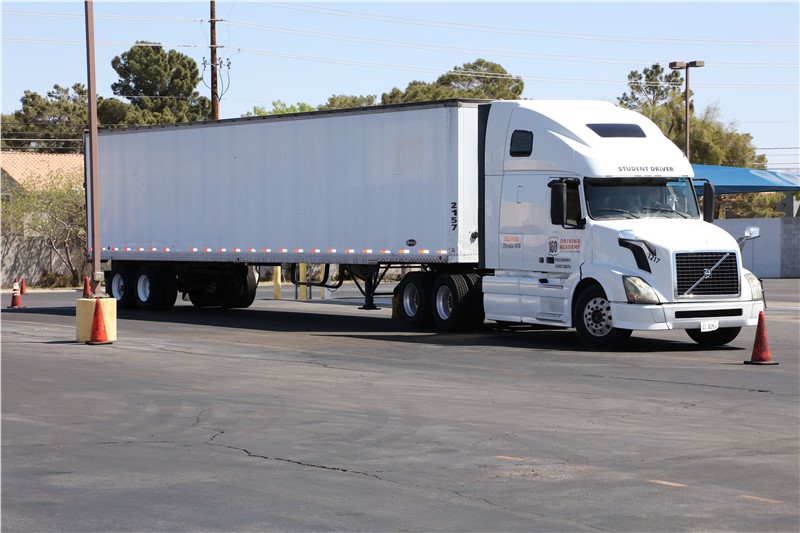
Deep Dive Analysis: Understanding the Gold Standard in Local Trucking
Local truck driving is often underestimated, but it’s an industry where precision and operational excellence define success. Holding a CDL licence opens doors to opportunities where drivers are entrusted with high-value goods, timely deliveries, and responsibilities that go beyond the wheel.
Unlike long-haul routes, local driving allows professionals to develop intimate knowledge of their delivery area, improving efficiency and reducing errors. This expertise doesn’t just benefit operations—it fosters customer satisfaction and professional credibility.
A recent report by the UK Department for Transport highlights that local delivery drivers have higher retention rates than long-haul counterparts, largely due to predictable schedules and stronger community ties [Source: UK Department for Transport, 2023].
Furthermore, compensation structures for CDL-certified drivers are evolving. Many local drivers combine hourly pay with performance incentives, rewarding both skill and reliability. As e-commerce and urban logistics continue to grow, the demand for competent local drivers is at an all-time high.
Practical Applications: Tips for Excelling in a CDL Local Role
Becoming an exceptional local driver goes beyond earning a licence. Success requires combining technical expertise with professional habits:
Route Knowledge: Understanding local traffic patterns and delivery windows ensures timely arrivals.
Vehicle Stewardship: A “white-glove” approach to truck maintenance minimises downtime and maximises safety.
Customer Interaction: Polished communication fosters trust and long-term business relationships.
For instance, a driver who uses GPS analytics and adapts to real-time traffic data not only saves time but demonstrates strategic thinking—a skill often overlooked in standard training.
Stories from the Road: Real-Life Case Studies
Take Sarah, a CDL-certified driver in London. She started as a local delivery driver and, through meticulous planning and proactive communication with dispatch, progressed to mentoring new drivers. Her career demonstrates how local knowledge and reliability can surpass traditional long-haul recognition.
Similarly, Liam, a driver in Manchester, leveraged his CDL licence to move from part-time deliveries to managing high-value urban routes. Both stories underscore that local expertise is more than driving—it’s cultivating trust, efficiency, and professional growth.
Expert Insights & Common Pitfalls
Industry veterans emphasise that discipline and attention to detail differentiate average drivers from the best. Common mistakes include:
Skipping vehicle inspections
Poorly logged driving hours
Ignoring traffic and route data
Ongoing education in safety and route optimisation is crucial. Regularly reviewing the Driver and Vehicle Standards Agency (DVSA) regulations and attending refresher CDL courses prevents costly errors and positions drivers as industry-standard professionals.
Advanced Perspectives: Beyond Basic Local Trucking
Experienced CDL drivers often integrate technology to enhance performance. Tools like telematics, route optimisation software, and predictive maintenance systems enable drivers to:
Anticipate mechanical issues before they occur
Maximise fuel efficiency
Monitor performance metrics for continuous improvement
Mastering these tools turns a competent driver into a strategic asset for logistics teams, highlighting the evolving sophistication of local driving roles.
Trends, Data, and Latest Research
Research suggests that urban logistics in the UK will grow by over 50% by 2028 due to e-commerce expansion [Source: McKinsey UK Logistics Report, 2024]. This trend underscores the demand for local CDL-certified drivers who can navigate complex city environments efficiently.
Safety metrics further validate this career path. Drivers with less than five years of long-haul experience are 20% more likely to be involved in incidents compared to seasoned local drivers [Source: Office for Road and Rail, 2022]. This reinforces the perception that CDL expertise in local driving equates to an industry gold standard.
Source:
Comparing Alternatives: Why Local CDL Routes Excel
Many aspiring drivers are drawn to long-haul opportunities, assuming higher pay and prestige. However, local routes offer distinct advantages:
Predictable Schedule: Drivers return home each night, improving work-life balance.
Community Integration: Local presence builds trust and brand credibility.
Skill Depth: Familiarity with urban logistics, vehicle management, and customer service ensures mastery.
Long-haul roles often come with irregular schedules and fatigue risks, whereas local CDL careers provide stability, growth, and operational expertise.
Common Questions and Concerns
Is a CDL licence worthwhile for local roles? Absolutely. It remains the gateway to higher pay, better benefits, and career mobility.
Can beginners succeed? Yes. With structured training and mentorship, even newcomers can thrive as CDL local drivers if they commit to safety, reliability, and learning.
How does technology affect these roles? Tools like route optimisation software and telematics enhance performance, but experienced CDL drivers remain essential for judgement, safety, and customer interactions.
Reference:
Conclusion & Next Steps: Navigating the White-Glove Route
A CDL local truck driving career is more than a vocation—it’s a commitment to professional mastery, operational excellence, and sustainable career growth. Drivers embracing the “white-glove” approach gain respect, stability, and a voice in shaping modern logistics.
Next steps: pursue CDL certification, gain practical experience, and adopt a detail-oriented mindset that transforms routine deliveries into a distinguished career path.